








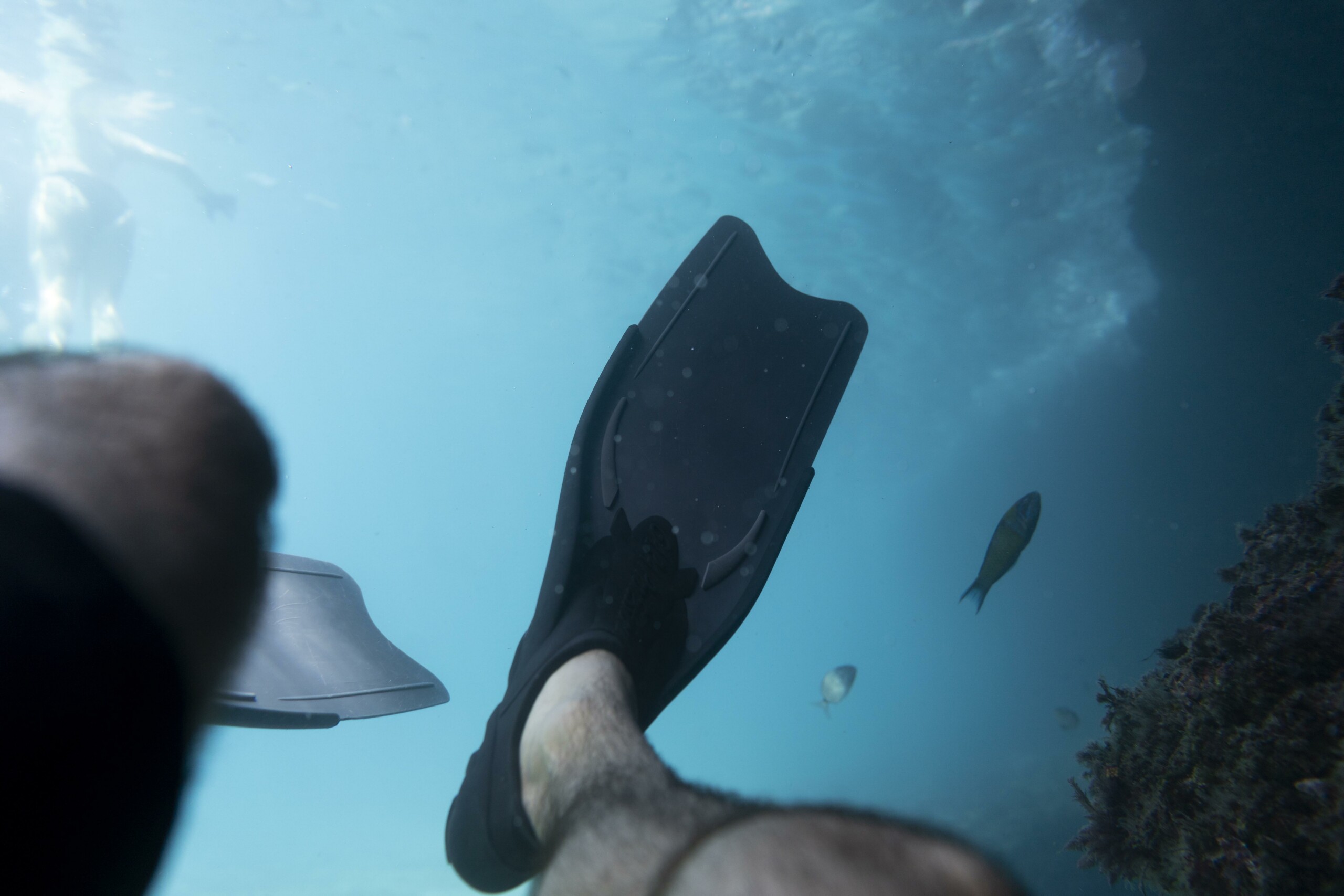
Having the right diving weight is key to complete safety and comfort underwater. The right amount of lead determines whether you stay stable below the surface or waste precious energy constantly fighting your buoyancy. Beginner divers often make the mistake of carrying too much weight, which leads to breathing through air too quickly and poor trim. Understanding the principles of neutral buoyancy lets you glide effortlessly throughout your dive. Every single kilo counts, and getting your calculations spot on directly translates into less fatigue and far more enjoyment on every underwater adventure.
Buoyancy basics and why weighting matters
Before putting on a weight belt, you need to understand that the human body naturally has positive buoyancy, which shifts depending on how much air is in your lungs. On top of that, a neoprene wetsuit pushes you towards the surface with a buoyant force that increases with thickness and depth. That is why learning to scuba dive always covers buoyancy theory, where instructors explain the physics behind how bodies behave in water.
A good diving weight setup is designed to offset the buoyancy of your wetsuit and cylinder, which gets lighter as you consume your breathing gas. If you don’t carry enough weight, you’ll struggle to hold your depth and risk floating up uncontrollably. Carrying too much lead, on the other hand, forces you into a vertical position, making swimming harder and damaging the underwater environment as your fins accidentally kick the bottom.
How to do a buoyancy check
How do you choose your diving weight? The best way to work out your ideal amount of lead is to carry out a buoyancy check at the end of a dive, when you have around 50 bar left in your cylinder. Head to calm water deep enough that you cannot touch the bottom, dump all the air from your BCD, and take a normal breath. A properly weighted diver should float at eye level with the water’s surface, and begin to sink gently after a slow exhale.
Keep in mind that switching from a 3 mm to a 7 mm wetsuit means you’ll need to add extra kilos of lead. Moving from saltwater to freshwater works the same way: freshwater is less buoyant, so you’ll need to drop some weight to stay comfortable.
Distributing lead safely across your gear
A traditional weight belt isn’t the only option available to divers today—modern kit offers far more comfortable solutions. Integrated weight pockets on BCDs or wings are hugely popular, allowing you to ditch weight quickly in an emergency. While diving courses instil good habits underwater, instructors place a big emphasis on spreading weight evenly to take the strain off your spine.
Distributing weight across your body:
-
integrated pockets in your BCD as your primary source of weight,
-
a traditional weight belt with a quick-release buckle opened using your left hand,
-
dedicated trim pockets on the cylinder band or shoulder straps to improve horizontal trim,
-
distributing weight across several smaller pockets rather than one large one.
Distributing your kilos properly has an immediate impact on how streamlined you are, and helps prevent backache after long dives. If you’re interested in https://www.deepspot.com/pl/dla-kogo/pierwszy-raz-pod-wode/, it’s worth learning to use integrated systems right from the start, as they’re much more comfortable and safer during an emergency ascent to the surface.
Summary: how to choose the right diving weight
Being mindful of how your body weight works underwater is the foundation of safe, relaxing dives. Well-adjusted diving weights give you full control over every minute spent exploring beneath the surface of a lake or sea. Understanding what you need and doing a buoyancy check whenever you change wetsuit thickness are habits that will pay off for any diving enthusiast.
FAQ
What are the risks of diving overweighted?
Diving with too much lead throws off your trim, makes you burn through breathing gas much faster, and risks damaging the seabed with your fins.
Do I need more lead in saltwater than in freshwater?
Yes, because saltwater is denser, you will need more lead than in freshwater to achieve neutral buoyancy.
How often should I do a buoyancy check?
You should do a buoyancy check every time you change wetsuit thickness, switch between a wetsuit and drysuit, alter your equipment setup, or dive in a different water environment.